
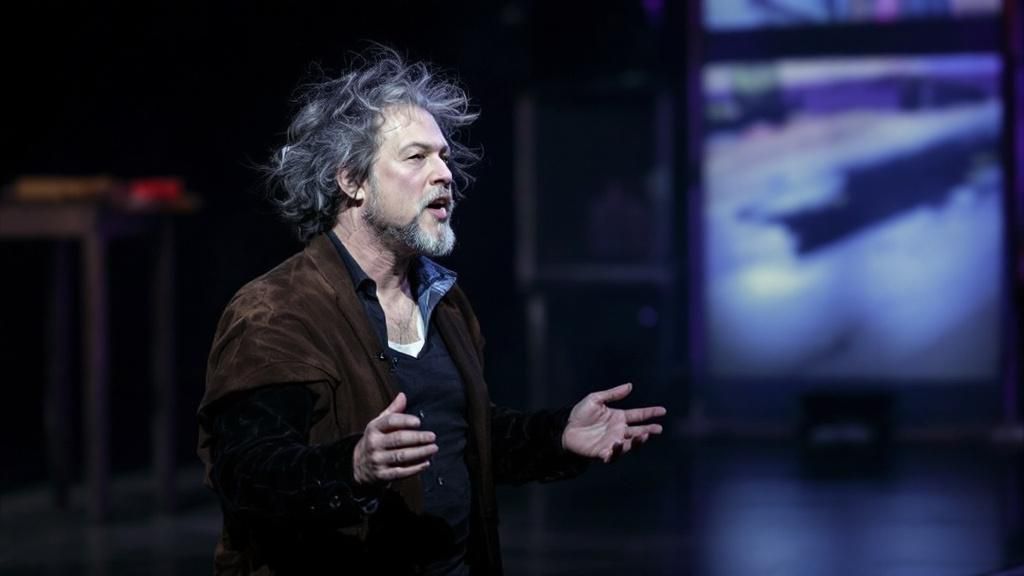
The National Theatre has introduced an extensive programme designed to expand engagement with classical drama across the United Kingdom. This innovative initiative promises to bring internationally acclaimed stage productions to regions far beyond London’s West End, guaranteeing that audiences in provincial and neglected regions can encounter Shakespeare, Chekhov, and current renderings of enduring masterpieces. Through inventive travelling productions, digital platforms, and strategic alliances, the theatre is substantially altering how Britain interacts with dramatic literature, rendering high-quality performances an right rather than a privilege.
Bringing Theatre to Everyone to Outstanding Theatre
The National Theatre’s scheme represents a fundamental change in how traditional theatre reaches viewers across the United Kingdom. By removing distance limitations and cost barriers, the initiative guarantees that groups in rural areas and economically disadvantaged regions can experience shows traditionally limited to London’s elite venues. This commitment to inclusivity demonstrates a core conviction that artistic merit should not be determined by zip code or financial means, but rather shared fairly among all individuals irrespective of their circumstances.
Through key partnerships with theatre companies across regions, academic organisations, and local arts organisations, the National Theatre is establishing long-term routes for interaction with classical works. The initiative encompasses touring productions, subsidised ticket schemes, and community-developed interpretations that promote community involvement and cultural ownership. By nurturing these partnerships, the theatre transforms from a London-focused venue into a dispersed system of artistic quality, ensuring that the profound impact of drama becomes widely accessible to theatre-goers across the country.
Technological Innovation and Local Collaborations
The National Theatre’s plan hinges upon state-of-the-art technology to extend its reach across the nation. By utilising streaming services and digital theatre experiences, the institution enables simultaneous access to theatrical works for audiences who cannot visit physically. This digital framework democratises cultural participation, letting people from Cornwall to the Scottish Highlands to experience world-class performances from home. The initiative also includes engaging online tools, learning resources, and production footage, deepening the theatre experience beyond traditional stage productions and encouraging greater involvement with classical drama.
Equally important are the collaborative relationships established with regional theatres, council bodies, and community organisations across the United Kingdom. These collaborations enable productions appeal to varied audience groups whilst supporting grassroots cultural infrastructure. The National Theatre delivers grants, professional expertise, and artistic leadership to collaborative venues, building enduring cultural frameworks in regions with limited provision. By working alongside community organisations rather than enforcing metropolitan standards, the initiative acknowledges local distinctiveness whilst upholding artistic standards. This collaborative framework transforms classical drama into a truly national undertaking, embedding theatrical culture in local areas and building enduring cultural heritage.
Influence and Long-Term Outlook
The initiative’s effect goes well past simple attendance numbers, substantially reshaping cultural participation across the nation. Regional theatres report unparalleled levels of engagement, with theatre-goers discovering newfound appreciation for classic productions once regarded as difficult to access. Communities that historically lacked performance venues now enjoy theatrical productions, learning sessions, and backstage access. This broadening of access cultivates a increasingly inclusive cultural sphere, motivating young people to interact with theatrical works as an integral component of their educational and social development.
Looking ahead, the National Theatre projects continued development of this innovative initiative throughout the coming decade. Planned capital allocation in technological infrastructure will expand reach, allowing simultaneous broadcasts and immediate viewing to filmed shows. Collaborations involving educational institutions will integrate period plays within classroom teaching, cultivating sustained enthusiasm for theatrical arts. The initiative represents a significant milestone, cementing the concept that remarkable dramatic performances represent a basic cultural entitlement rather than an exclusive London-based privilege.
As this innovative project keeps developing, its success hinges on continuous investment, audience involvement, and strategic alliances. The National Theatre is dedicated to assessing outcomes through viewer input, visitor numbers, and pedagogical achievements, ensuring accountability and sustained enhancement. This pioneering initiative represents a fundamental transformation in British cultural values, affirming that classical drama belongs to everyone.
